
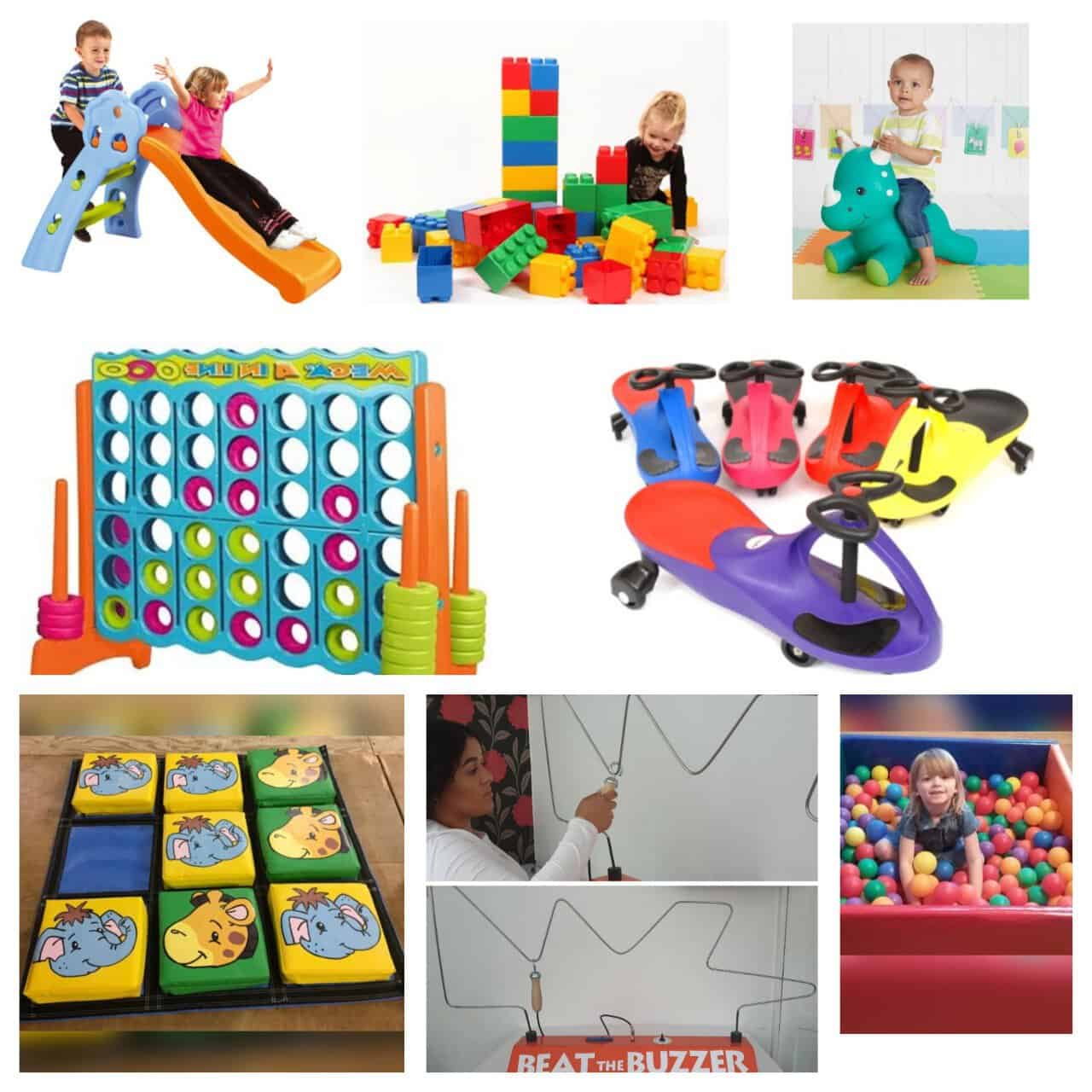
Some party add-ons look lovely in photos, then do very little once the children arrive. Others quietly save the day. That is usually where pick and mix party extras come in – the flexible, easy-to-place details that keep children interested, fill awkward gaps in the schedule and help a celebration feel more complete without making planning harder.
For parents, schools and community organisers, the real value is not just that these extras look fun. It is that they can make the whole event run more smoothly. A well-chosen mix of toys, games and child-friendly setup items gives children more ways to play, reduces bottlenecks around one main activity and helps different age groups settle into the party more easily.
Why pick and mix party extras matter
The best children’s parties are rarely built around one thing alone. Even if you have a standout centrepiece, there are always natural transitions – guests arriving, food being set out, children finishing one activity before others, siblings needing something different, or a few shy guests taking longer to join in. Pick and mix party extras help with those moments.
They also give you flexibility. Not every venue has the same amount of space, and not every guest list has the same age range. What works brilliantly for a fourth birthday in a church hall may need a different approach for a family garden party or a wedding where children need their own entertainment corner. Extras allow you to tailor the setup rather than forcing every event into the same format.
That matters even more when you want a party to feel generous and well thought through without becoming overcomplicated. A few carefully selected additions can create that sense of abundance children love, while still being practical for adults.
Choosing pick and mix party extras for the age group
Age suitability should always come first. It sounds obvious, but it is where many party plans become muddled. If children are too young for the activities on offer, they lose interest quickly. If they are too old, they may ignore them completely.
For toddlers and younger children, simpler extras tend to work best. Soft play-style elements, ride-ons, chunky building pieces and low-level play stations are easy to understand and inviting from the moment children walk in. They support open-ended play, which is often exactly what younger guests need. There is less waiting, fewer rules to explain and more confidence for children who are still learning to play alongside others.
For mixed primary ages, variety becomes more important. Giant garden games, building challenges, small activity zones and tabletop entertainment can all work well together. Some children want active play, while others prefer something calmer and more independent. A pick and mix approach lets you cater to both without overloading the room.
For larger family celebrations, where cousins and siblings may range widely in age, it helps to think in layers. One area might be movement-based, another creative or game-led, and another simply a place to sit, snack and reset. That balance often makes the difference between a party feeling chaotic and feeling comfortably busy.
The best extras solve practical problems too
When parents first think about party extras, they often focus on what will keep children excited. That is important, but the most useful extras also solve small logistical issues.
Children’s picnic benches are a good example. They do not just look neat and party-ready. They create an obvious place for children to gather, eat and take a break, which helps keep the rest of the venue more organised. In busy halls or shared event spaces, that can make catering and supervision much easier.
Giant light-up numbers can have a similar effect. Yes, they add visual impact and help mark a milestone, but they also create a focal point in the room. That gives the event a stronger sense of occasion without needing lots of extra decoration. For christenings, birthdays and family celebrations, a simple statement piece can do more than several smaller items competing for attention.
Games and toy stations are also useful because they absorb waiting time. If food is running late, guests are arriving in waves or the main entertainer has not started yet, children already have something to do. That keeps the atmosphere calm and gives adults breathing room.
What works well together
Not every extra needs to be a headline feature. In fact, combinations often work better when there is one clear main attraction supported by smaller add-ons.
Soft play with ride-ons makes sense for younger children because both encourage free movement and shared play. Giant building blocks pair well with open floor space and give children something collaborative to do. Giant garden games work nicely for school events, weddings and family parties where guests are moving around more casually rather than following a fixed timetable.
The key is to avoid choosing too many items that compete for the same kind of attention. If everything is loud, oversized or highly active, children can become overstimulated and the room can feel harder to manage. A more thoughtful mix tends to work better – something energetic, something imaginative and something that offers a natural pause.
That is one reason experienced party hire matters. It is not only about delivering equipment. It is about understanding which combinations fit the venue, the guest list and the shape of the event.
Pick and mix party extras for different venues
Venue type changes everything. A setup that feels perfect at home may not suit a hired hall, and a school event has different demands again.
At home, especially in London where space can be tighter, it is worth choosing compact extras that still create impact. Too much equipment can make the space feel crowded, and children need enough room to move safely. In smaller venues, fewer well-chosen items often work better than a packed layout.
In halls and community spaces, you usually have more flexibility. That allows for clearer zoning – perhaps active play on one side, seating in another area and visible feature pieces near the entrance or party table. This layout helps children understand the space quickly and makes supervision easier.
Outdoor events open up different possibilities, especially with giant garden games. The trade-off, of course, is the British weather. If your event relies heavily on outdoor extras, it is sensible to have a back-up plan or a combination of indoor and outdoor options. A flexible package is often the safest choice.
Why hygiene, setup and collection matter as much as the fun
Parents rarely need convincing that children enjoy games and party props. What they really want to know is whether the experience will be easy, safe and dependable.
That is why the condition of the equipment matters so much. Party extras should arrive clean, safety-checked and ready to use, particularly for younger children who will be touching, climbing and sharing everything. If an item looks tired or poorly maintained, it affects the whole feel of the event.
Professional setup matters too. Even simple-looking extras need to be placed properly in relation to each other, to the room layout and to guest flow. The same applies to collection. At the end of a party, most families do not want to be dismantling equipment or managing awkward logistics while also handling presents, food and tired children.
This is where an experienced hire company earns its place. The convenience is not a luxury. For many busy families, it is the reason the event feels enjoyable rather than exhausting.
Getting the balance right on budget
There is always a point where more extras stop adding value. The aim is not to hire everything. It is to choose the pieces that will actually be used and appreciated.
If your budget is limited, start with the questions that matter most. How old are the children? How long does the event last? Is there a natural gap between arrival, food and cake? Will siblings be attending? Is the venue large or compact? Once those are clear, the right extras usually become easier to identify.
For some parties, one strong activity package plus a practical item such as seating is enough. For others, particularly larger events, a broader mix is worthwhile because children will engage in different ways over a longer period. It depends less on chasing a big display and more on matching the hire to the real shape of the day.
A good provider should be able to guide that conversation honestly. Sometimes the best advice is to scale back, simplify and choose a tighter selection that suits the space and the guest list properly.
Making the day feel easier from the start
Pick and mix party extras work best when they support the event, not when they create more decisions, clutter or stress. The right combination can help children settle faster, keep the party flowing and give adults more chance to enjoy the occasion too.
That is why families often value a service that handles delivery, setup and collection as part of the package. With more than 20 years of experience helping London celebrations run smoothly, Kids Rule understands that memorable parties are not only about keeping children entertained. They are also about giving parents confidence that everything has been planned with care.
If you are choosing extras for an upcoming party, think less about filling every corner and more about what will genuinely help the day feel relaxed, age-appropriate and well organised. Children remember the fun. Parents remember how easy it all felt.